


Climbing the Seven Summits: My Journey and How You Can Do It Too
- 18th March, 2026
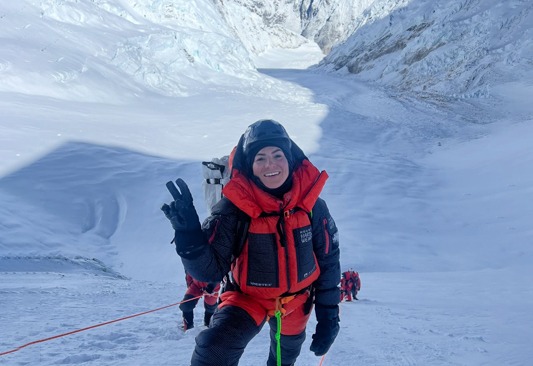
There is something deeply magnetic about the idea of standing on the highest point of every continent. The Seven Summits are more than mountains; they are a journey, a serious physical and financial commitment, and an experience that changes you forever. And honestly… they are so worth it.
For me, climbing the Seven Summits wasn’t even on the original agenda. I had set out to climb the Volcanic Seven Summits, and by the time I finished, I realised I had already climbed three mountains on the Seven Summits list. At that moment, I thought, “Well… why not keep going“? And just like that, I started climbing the remaining summits.
Now, with only one mountain left before I complete the Seven Summits, I wanted to share some insights into how to begin this incredible adventure, because it truly does take over your life… in the very best way.
The Story of the Seven Summits
The Seven Summits is one of mountaineering’s ultimate challenges. The concept captured the imagination of adventurers in the late 20th century, but it was Dick Bass, an American businessman turned climber, who brought it to life.
In 1985, Bass became the first person to complete all seven, taking Mount Kosciuszko in Australia as his final summit. His list was achievable yet monumental, inspiring a new generation of climbers.
Not long after, legendary Italian mountaineer Reinhold Messner questioned Bass’s choice for Oceania. Messner argued that Puncak Jaya (Carstensz Pyramid) in Indonesia, with its remote location and technical climbing challenges, was the true highest point. His list, known as the “Messner Seven Summits,” added a new layer of difficulty and prestige to the challenge, and today both versions are recognized worldwide.
The Seven Summits are the highest mountains on each continent. There are two main versions
The Bass list, The Messner list, and variations of both.
Most climbers aim for:
- Mt Kilimanjaro 5,895m – Tanzania – Africa Continent
- Mt Elbrus 5,642m – Russia – Europe Continent
- Carztenze Pyramid 4,884m – Papua – Oceana (Messner)
- Mt Kosciusko 2,228m – Australia – alternative for Oceana (Bass)
- Aconcagua 6,962m – Argentina – South America Continent
- Mt Vinsion 4,982m – Antarctica
- Mt Denali 6,190m – Alaska – North America Continent
- Mt Everest 8,848m – Nepal – Asian Continent.
Read Also – The Mountains Taught Me Patience, Strength, and Humility
In what order should the Seven Summits be completed?
Climbing the Seven Summits is often best approached as a gradual progression, building altitude experience, technical skills, and expedition resilience over time.
Many climbers begin with Mount Kilimanjaro in Africa, because it’s the perfect mountain to climb when you’re getting started. It’s the obvious first choice because it’s a straightforward trek, it’s safe, accessible, and relatively easy when compared to the remaining mountains on the list.
Up next is Mount Elbrus in Russia and Mont Blanc in France; both these mountains are great progressions because they are roughly the same altitude and require similar technical skills like walking on a fixed rope team, using crampons, and learning to self arrest with an ice axe. Both these mountains allow you to gain experience on snow and glaciers. Although Mt Blanc isn’t on the Seven Summits list, I would recommend attempting both mountains for the sheer experience.
The journey then continues to the remote jungles and technical rock of Carstensz Pyramid, with Mount Kosciuszko sometimes chosen as the easier Oceania alternative. I like placing Carstensz Pyramid at this stage because it introduces more technical climbing without adding extreme altitude, allowing you to focus on honing climbing skills that you’ll use further down your seven summit journey. Before you go, I would suggest completing a 5–7 day rock climbing course to help you build confidence and learn technique that will be crucial for the later, higher peaks.
With solid experience established, I would then progress to higher and more demanding peaks like Cerro Aconcagua in South America, followed by Mount Vinson, and then the beast, America’s highest, Denali. To finish and steal the crown jewel, I would end your journey with the ultimate goal, Mount Everest in Asia.
My guide to the Seven Summits allows you to steadily build the skills, altitude tolerance, and expedition experience needed to safely reach the highest point on Earth.